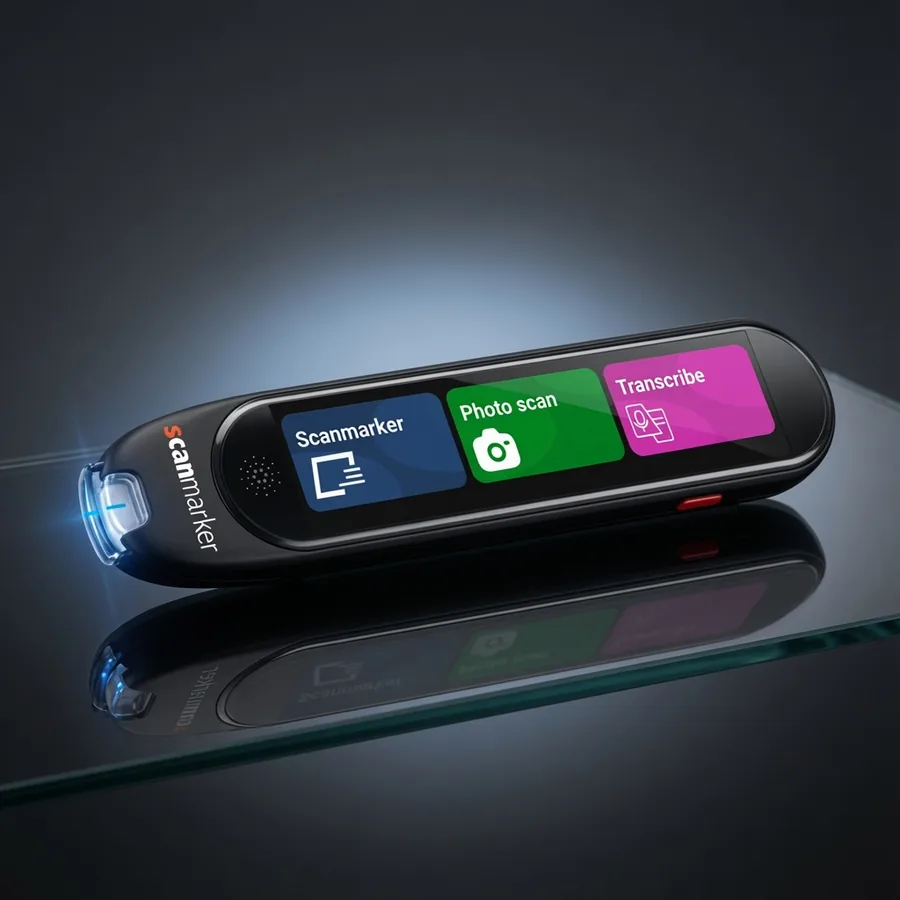
Why a Reader Pen Works Specifically for Dyslexia
Dyslexic readers frequently understand material perfectly well when they hear it — the gap is between what they can comprehend and what they can independently decode from print. A reader pen closes exactly that gap, without requiring:
- A diagnosis before starting. It works the same whether a child is mid-evaluation, formally diagnosed, or a family has simply decided this kind of support helps.
- Retyping or photographing the page, which adds friction that discourages actual use — drag the tip, hear the word, keep reading.
- An internet connection, so it works the same at school, at home, or on the go.
Text-to-speech lets a reader see text and hear it at the same time, which research on assistive technology for reading shows can support comprehension for readers who struggle with decoding. (Understood: assistive technology for reading)
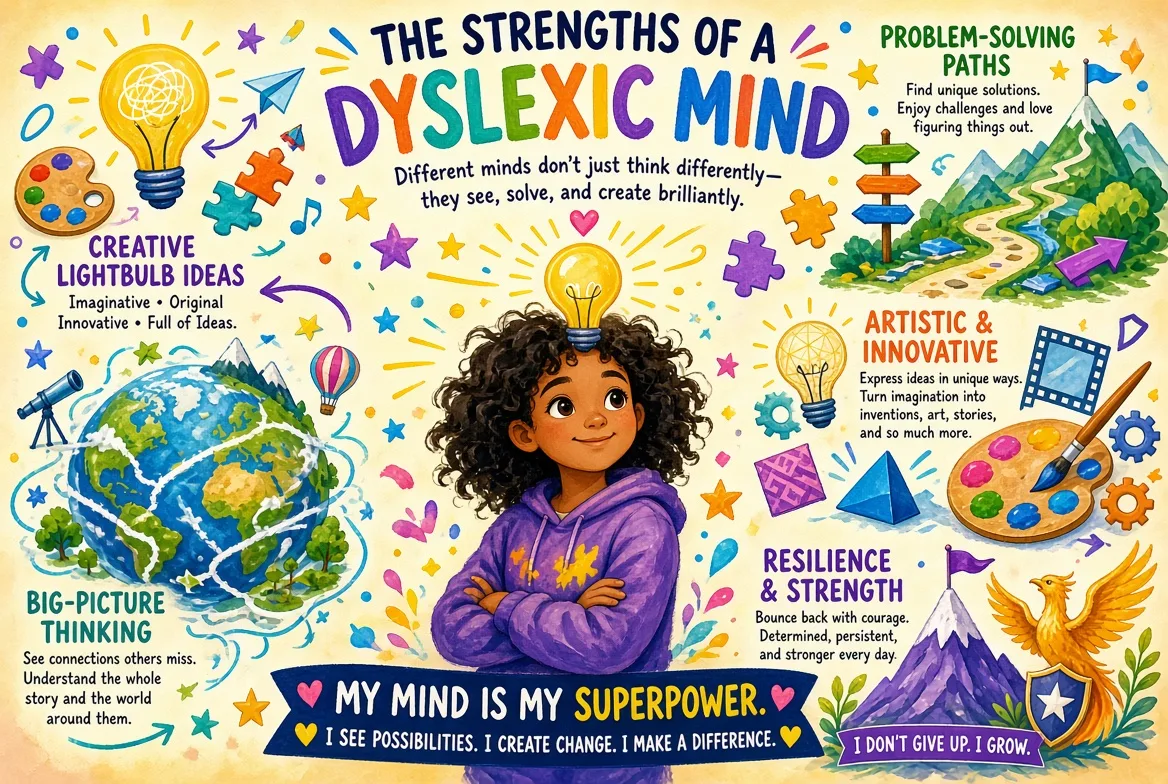
What to Look for in a Dyslexia-Specific Reader Pen
| Feature | Why it matters for dyslexia | Where to find it |
|---|---|---|
| Phonics module | Reinforces phoneme-grapheme relationships alongside read-aloud — useful if the goal includes building decoding skill over time, not just working around it. | Scanmarker Max |
| Exam-lock mode | A verifiable, restricted mode that reads text aloud without offering translation or dictionary help — this is what makes a reading pen acceptable for standardized testing under an IEP or 504 plan. | Scanmarker Max |
| Offline language support | Bilingual households and ESL-adjacent dyslexia cases benefit from broad offline coverage, since school Wi-Fi restrictions can otherwise block cloud-based alternatives. | Scanmarker Max (30 languages offline) |
| Simple, standalone operation | Fewer buttons and no companion app matter most for younger children or first-time users who need the tool to work immediately, not after setup. | Scanmarker PAL |
Choosing Between Models by Situation
Just starting to explore support, no diagnosis yet
Start with the simpler, lower-cost model and the no-diagnosis-required framing. PAL is a durable, standalone read-aloud pen with nothing to configure.
View PAL — $179 →Already have an IEP or are pursuing one
Look at the model with the phonics module and exam-lock mode, positioned specifically for IEP/504 documentation and structured literacy support.
See the full model-fit breakdown →Purchasing for classroom or district use
Funding, procurement, and bulk-order details — including IDEA Part B, Title I, and state assistive-technology grant pathways — live on our schools site.
Visit Scanmarker for Schools →Compare Models: Specs & Price
Prices below match the Scanmarker store as of September 2026.
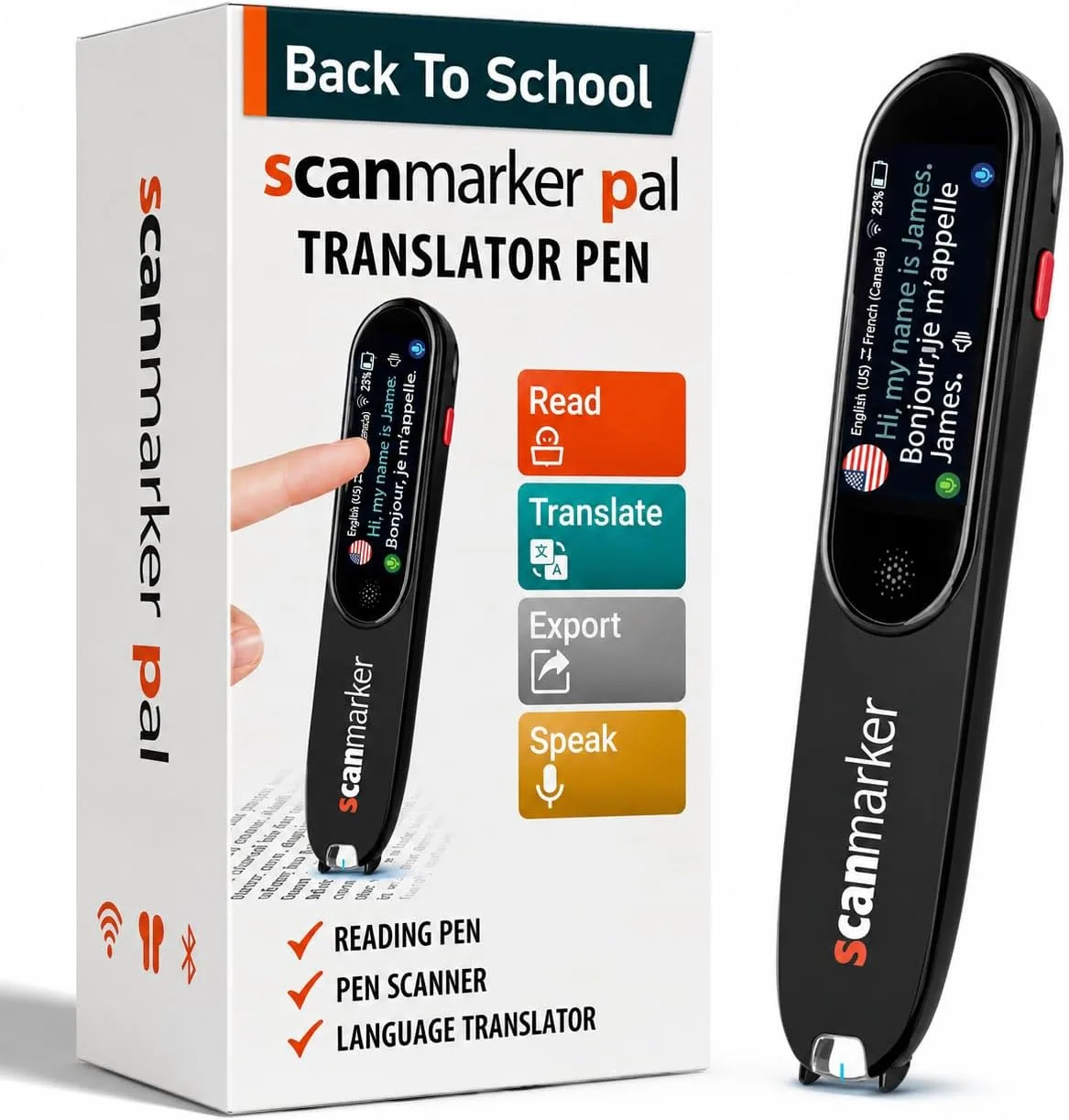
Scanmarker PAL
$179
Simple, immediate read-aloud
- Standalone — no phone or app required
- 10 languages
- 8-hour battery
- No phonics module or exam-lock
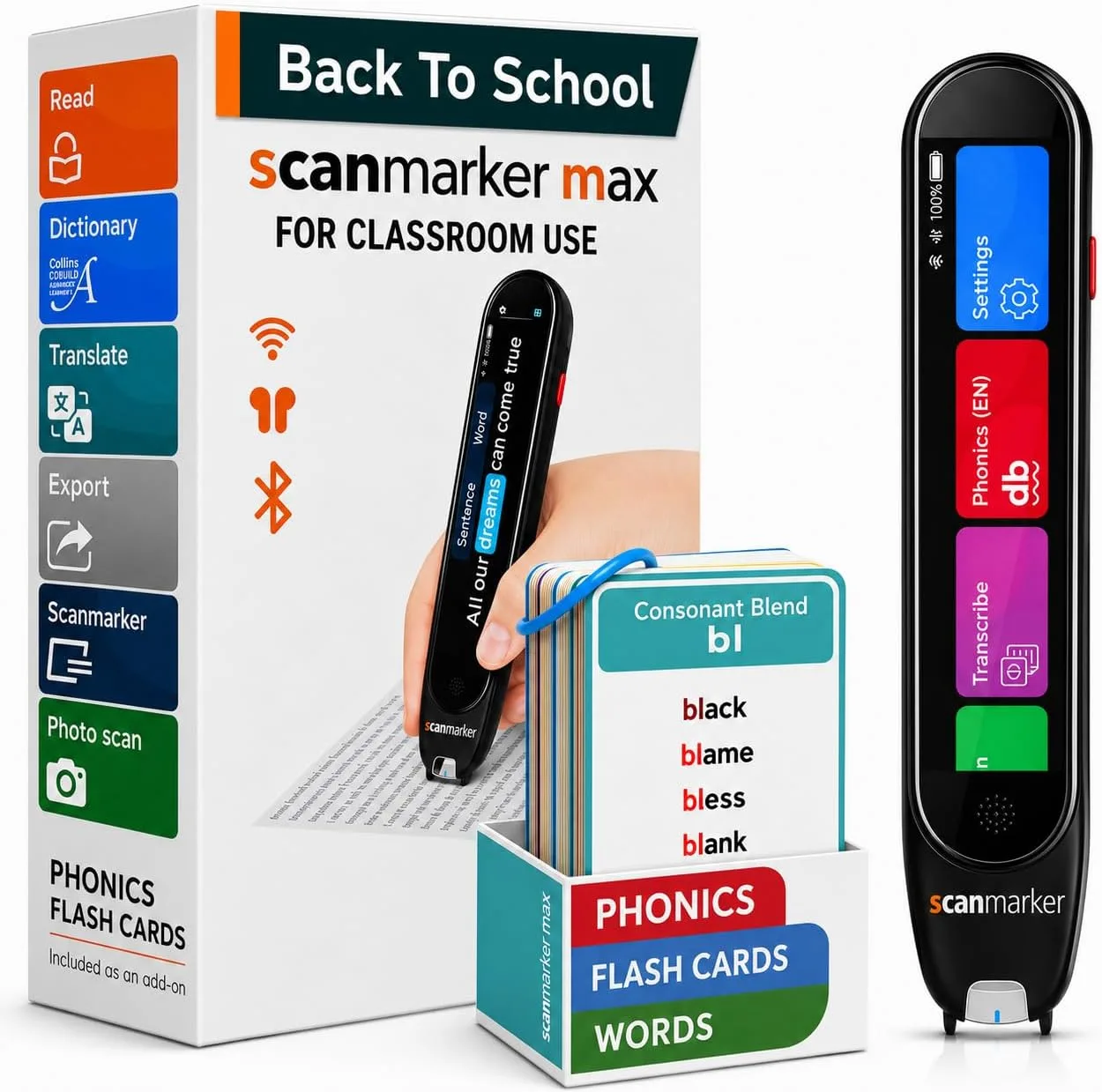
Scanmarker Max
$315
Phonics module, exam-lock, translation
- Standalone touchscreen
- 30 languages offline
- On-device phonics module
- Exam-lock mode for testing accommodations
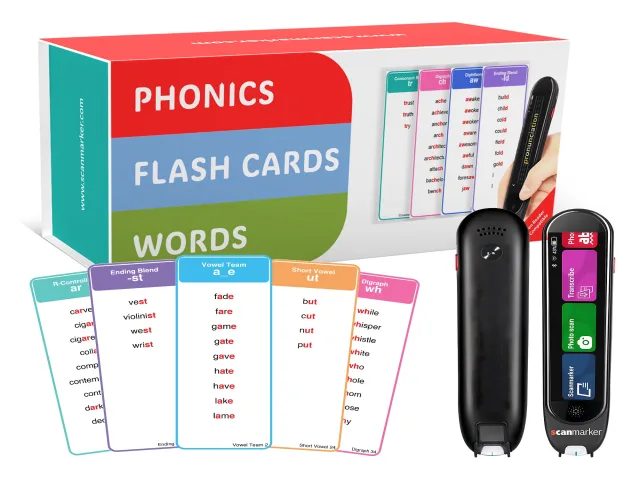
Phonics Cards
$35
Add-on for Max — not a pen
- 200 physical practice cards
- Pairs with Max's phonics module
- Hands-on decoding drills
Not sure which model fits?
Common Concerns, Addressed Directly
"Will this make my child dependent on the device instead of learning to read?"
No credible evidence supports that concern — accommodations that remove barriers don't prevent skill development; they prevent the frustration and avoidance that actually block it. Structured literacy instruction and a reader pen work together, not against each other. (International Dyslexia Association)
"Will other kids notice and make my child feel singled out?"
A small handheld device used quietly is far less conspicuous than a phone held up to a page, which is one reason dedicated reader pens see better long-term adoption than phone-app alternatives in classroom settings.
"Is this a replacement for reading instruction?"
No — a reader pen is an accommodation, not an intervention. It removes a barrier; it doesn't teach a skill. Pair it with structured literacy instruction for the strongest combined outcome. (Understood: classroom accommodations for dyslexia)

Getting Started, Without a Diagnosis
A lot of families are somewhere in between: maybe evaluation is scheduled but months out, maybe you've decided not to pursue a formal diagnosis, maybe a child just struggles more than the class average and you want to help now rather than wait for a process to catch up. Neither PAL nor Max needs a diagnosis on file to work or to help. If a formal evaluation later confirms dyslexia and results in an IEP or 504 plan, Max — with its phonics module and exam-lock mode — tends to already satisfy what gets written into an accommodation plan. If you're earlier in the journey, our sister site has a gentler, no-diagnosis-required starting point. (penfordyslexia.com)